Why should I change my engine oil
Your vehicle's engine is a marvel of engineering, but even the most robust engines need proper care to ensure longevity and optimal performance. At the heart of this care routine is the simple yet immensely important task of changing your engine oil.
1. **Lubrication and Friction Reduction:**
Engine oil serves as the lifeblood of your vehicle's engine, providing vital lubrication to various moving parts. As your engine runs, these parts generate heat and friction. Clean and fresh oil forms a protective layer, reducing friction and preventing excessive wear and tear. Regular oil changes ensure that this protective layer is consistently maintained, preserving the health of your engine.
2. **Engine Cooling:**
In addition to reducing friction, engine oil plays a crucial role in cooling the engine. As it circulates through the engine, oil absorbs heat generated during combustion. Over time, this heat absorption can cause the oil to break down and become less effective. Changing the oil at recommended intervals ensures that your engine is adequately cooled, preventing overheating and potential damage.
3. **Contaminant Removal:**
As your engine operates, it inevitably produces by-products such as dirt, debris, and metal particles. The oil circulates through the engine, collecting these contaminants. Over time, the oil becomes saturated, and its ability to trap these particles diminishes. Regular oil changes remove the old, contaminated oil, allowing the engine to function with clean oil and minimizing the risk of damage caused by debris.
4. **Preservation of Engine Components:**
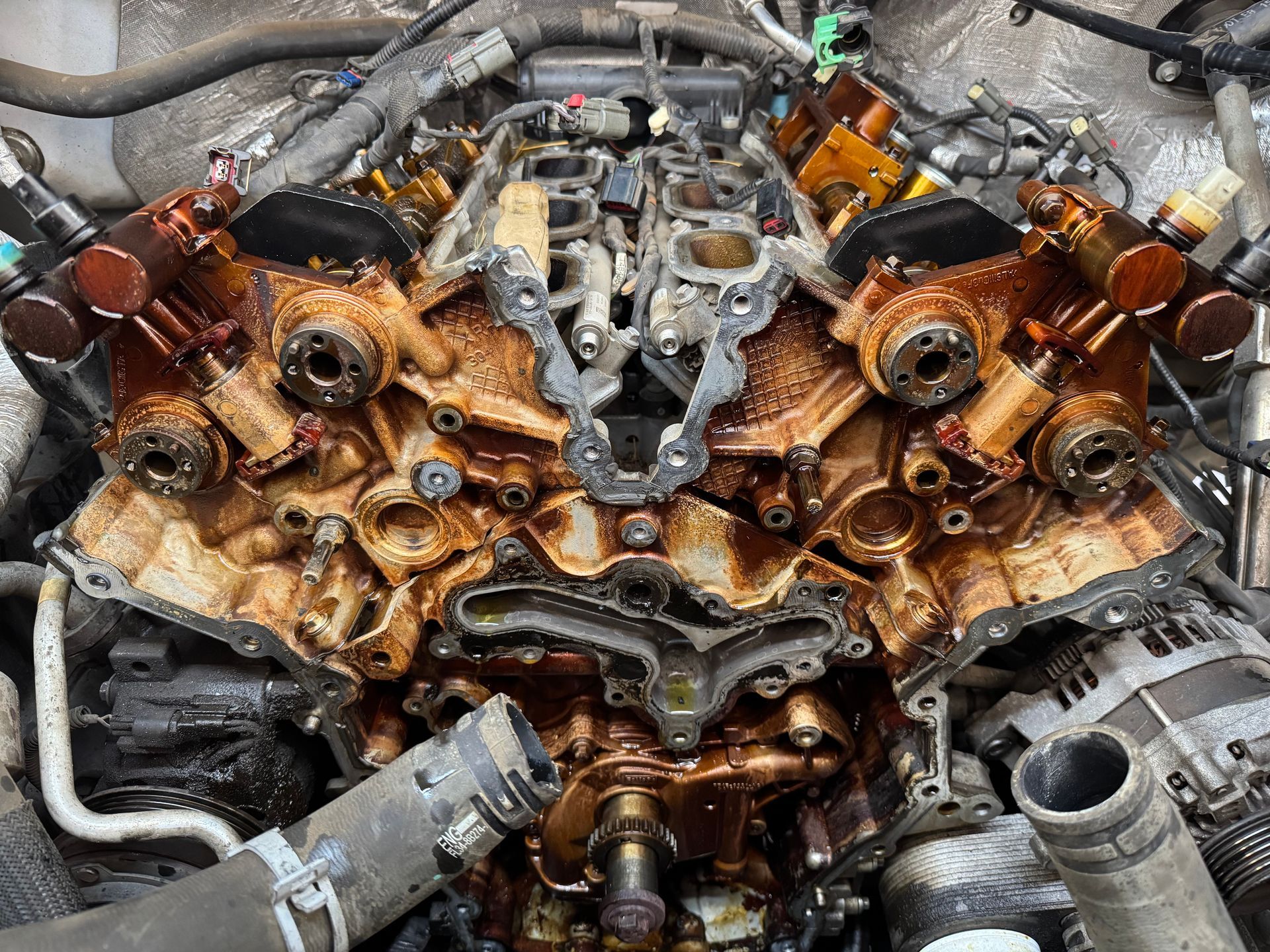
Your engine is a complex assembly of components working in harmony. Regular oil changes help preserve these components, preventing sludge buildup that can clog passages and impede proper function. Clean oil ensures that each component operates as designed, extending the overall life of your engine.
5. **Maximizing Fuel Efficiency:**
Clean and fresh engine oil contributes to improved fuel efficiency. Reduced friction and proper lubrication mean that your engine doesn't have to work as hard, translating to better gas mileage. In a time where fuel costs are a significant concern, regular oil changes are a simple and effective way to maximize your vehicle's efficiency.
6. **Long-Term Cost Savings:**
The cost of regular oil changes is a small investment compared to the potential consequences of neglecting this crucial maintenance task. A well-lubricated and properly cooled engine is less prone to breakdowns and major repairs, translating to long-term cost savings and a more reliable vehicle.
Changing your engine oil is not just a routine maintenance task; it's a responsibility for any vehicle owner who wants to protect their investment and ensure a smooth and reliable driving experience. By changing your engine oil on a regular schedule, you're safeguarding your engine against wear, improving fuel efficiency, and contributing to the overall longevity of your vehicle. Don't underestimate the power of this seemingly simple task.
Happy Adventures,
Heather
Our specials can be found here - Specials - J & H Automotive, Inc
Ready to make an appointment … Appointments - J & H Automotive, Inc
Want to know more … About Us - J & H Automotive, Inc
Would you like to join our merry band of misfits? Careers - J & H Automotive, Inc