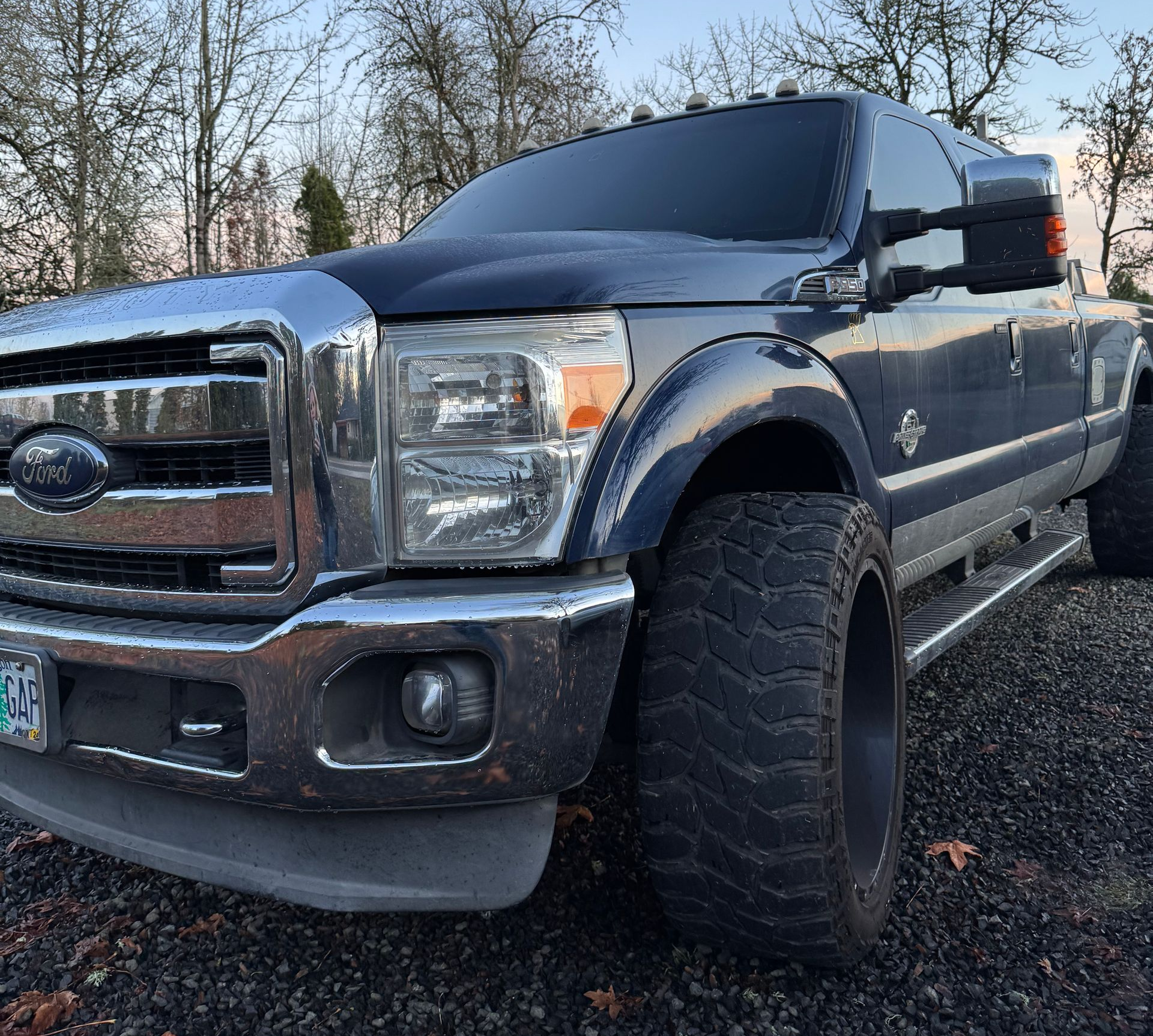
When a medium-duty truck is part of your business, it is more than a vehicle.
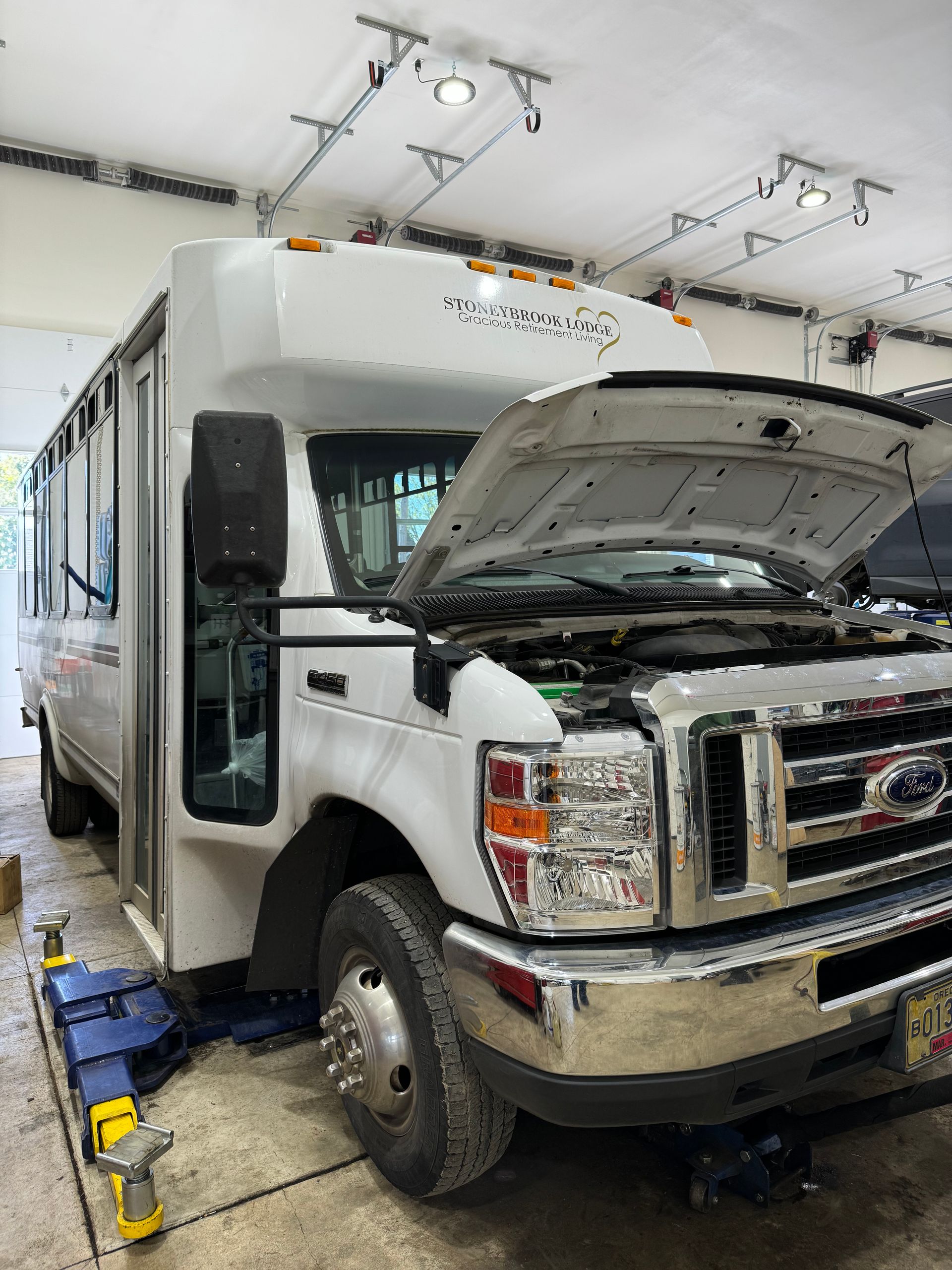
Your medium duty vehicle is a tool. Whether it carries equipment, delivers products, transports crews, or performs specialized work, you depend on that truck to be ready when the workday begins. That makes preventive maintenance especially important. The goal is not simply to fix things when they break. It is to find developing problems before they put the truck out of service.
Medium-duty trucks carry heavier loads, which puts additional stress on the tires. Watch for:
- Uneven tread wear
- Low tread depth
- Cracking
- Damage
- Incorrect tire pressure
- Abnormal wear on inside or outside edges
Uneven wear can also be a sign of alignment or suspension problems.
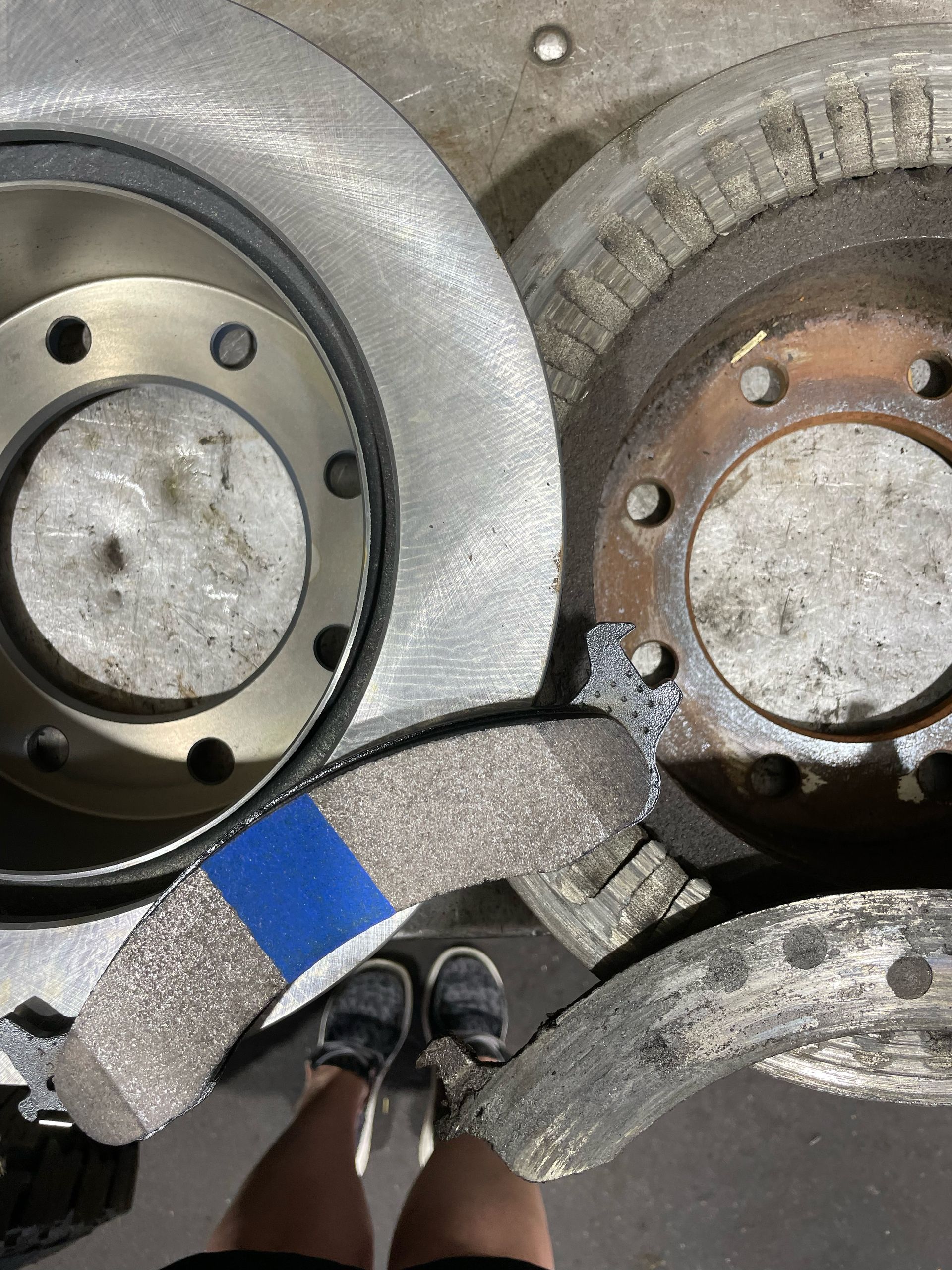
A heavier vehicle takes more work to stop. Brake inspections may include checking:
- Brake pad or shoe condition
- Rotors or drums
- Calipers
- Brake hoses and lines
- Brake fluid
- Parking brake operation
- Air-brake components when equipped
Changes in stopping distance, pulling, vibration, or unusual noise should be addressed before they become a larger problem.
A small leak today can become a major repair later. During regular maintenance, check for leaks involving:
- Engine oil
- Coolant
- Transmission fluid
- Differential fluid
- Power steering fluid
- Brake fluid
- Diesel fuel
Leaks can also create safety concerns or lead to damage if fluid levels become too low.
Medium-duty trucks often operate under heavy loads and demanding conditions. That makes the cooling system especially important. Regular inspections should include:
- Coolant level and condition
- Radiator condition
- Hoses
- Belts
- Water pump
- Cooling fans
- Visible leaks
An overheating problem can quickly turn into expensive engine damage.
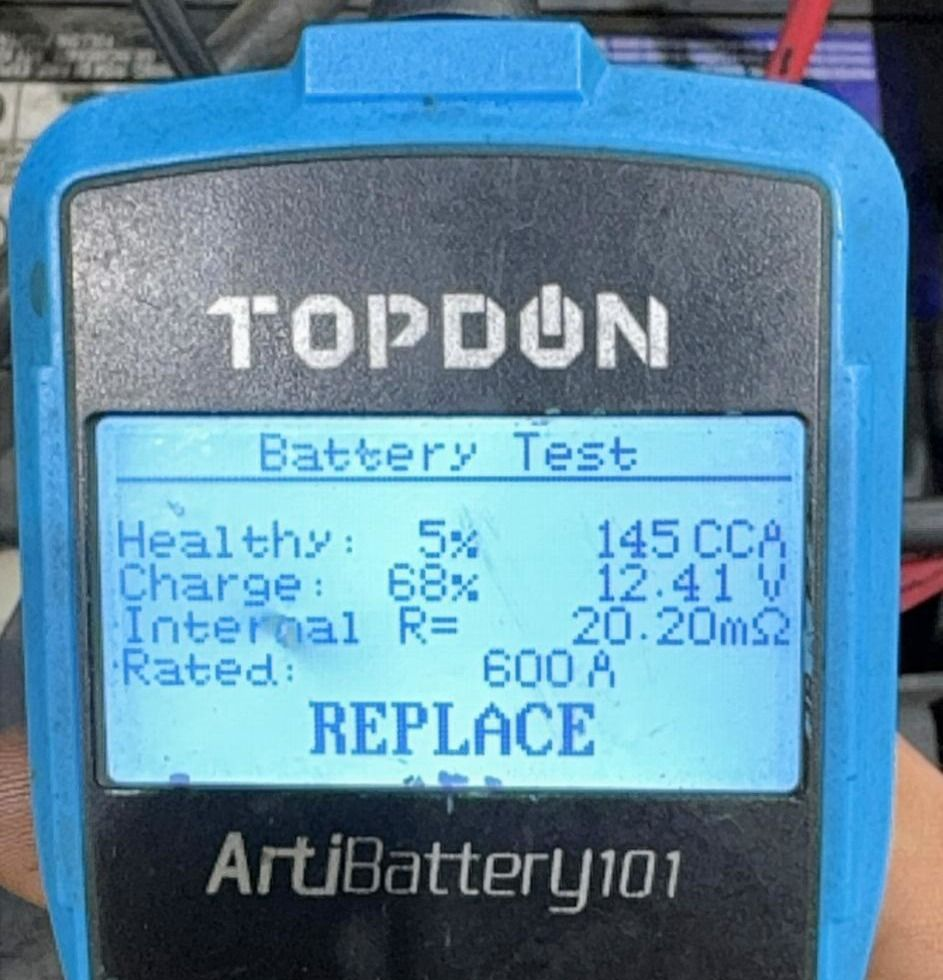
Commercial trucks may have additional electrical demands from lighting, accessories, lifts, equipment, or other systems. A weak battery or charging-system problem can create hard-starting issues or leave a truck unable to start at all. Testing batteries and charging systems before they fail is much easier than dealing with a no-start first thing in the morning.
Work trucks may spend their lives carrying weight, driving over rough roads, entering job sites, and making frequent stops.
Inspecting steering and suspension components can help catch worn parts before they affect tire wear, handling, or safety.
Drivers should report:
- Wandering
- Pulling
- Clunking
- Steering looseness
- Vibration
- Unusual tire wear
These symptoms should not be considered normal just because the truck works hard.
Many medium-duty diesel vehicles use DPF, EGR, and DEF systems. If warning messages appear, they should not be ignored.
A small sensor or operating problem can sometimes lead to reduced engine power or a truck being taken out of service if it is allowed to continue.
The people who drive your vehicles every day often notice changes before anyone else. Encourage drivers to report things such as:
- New noises
- Warning lights
- Fluid leaks
- Hard starting
- Changes in braking
- Steering problems
- Reduced power
- Unusual smells
- Changes in fuel economy
The earlier a change is reported, the better chance you have of addressing it before it becomes downtime.
No maintenance program can prevent every breakdown. But regular inspections give you a much better opportunity to plan repairs instead of having repairs dictate your schedule. When possible, it is much easier to schedule a repair for a Tuesday afternoon than discover the problem Wednesday morning when a truck is supposed to be on a job.
Give us a call and let us take care of you. 541-791-2886
Happy Adventures,
Heather
Our specials can be found here
Got Questions? We have a FAQ page for you.
Would you like to join our merry band of misfits?
Want to know more…
https://www.facebook.com/JHAutomotiveInc
https://www.pinterest.com/jhautoinc