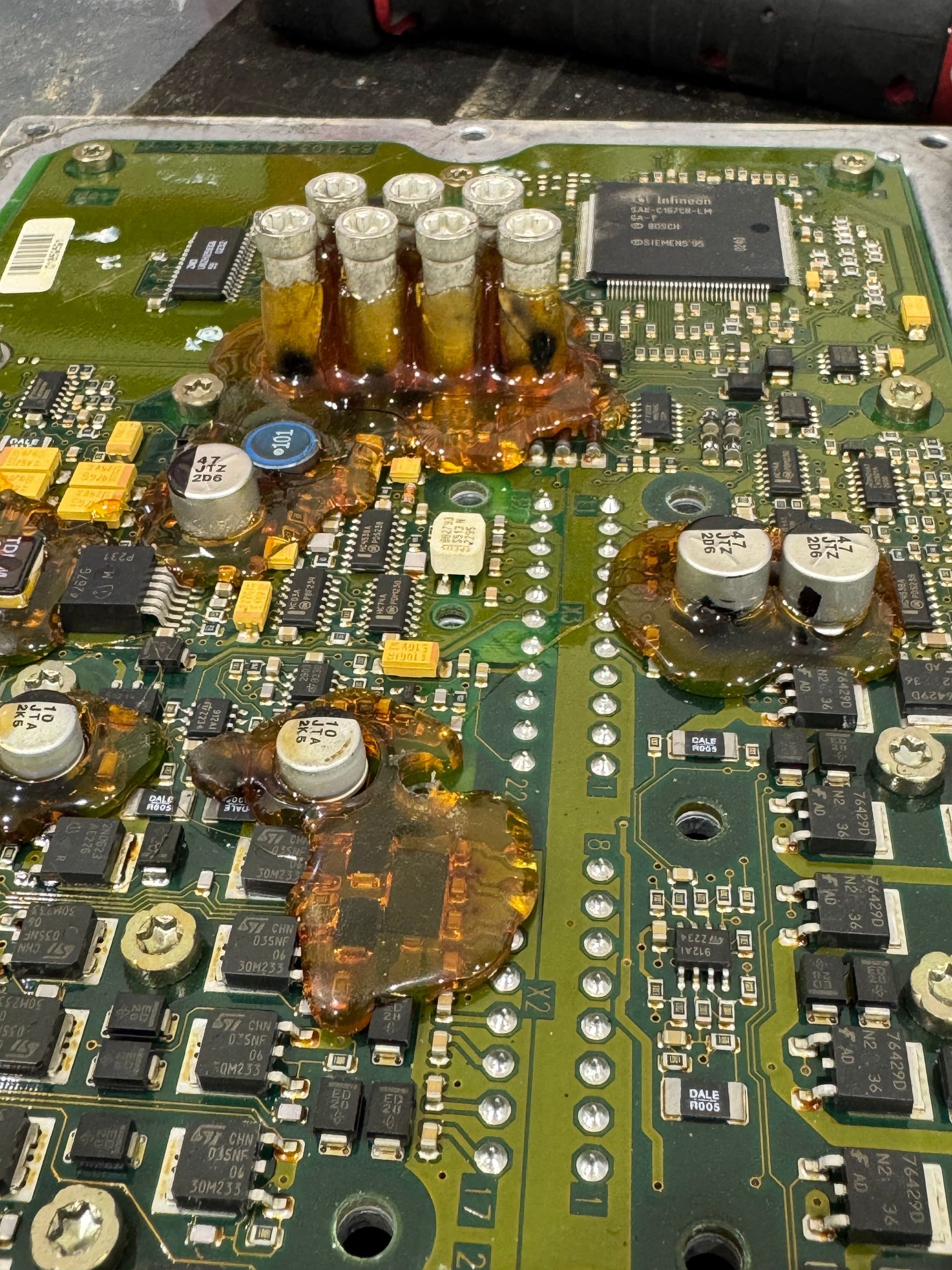
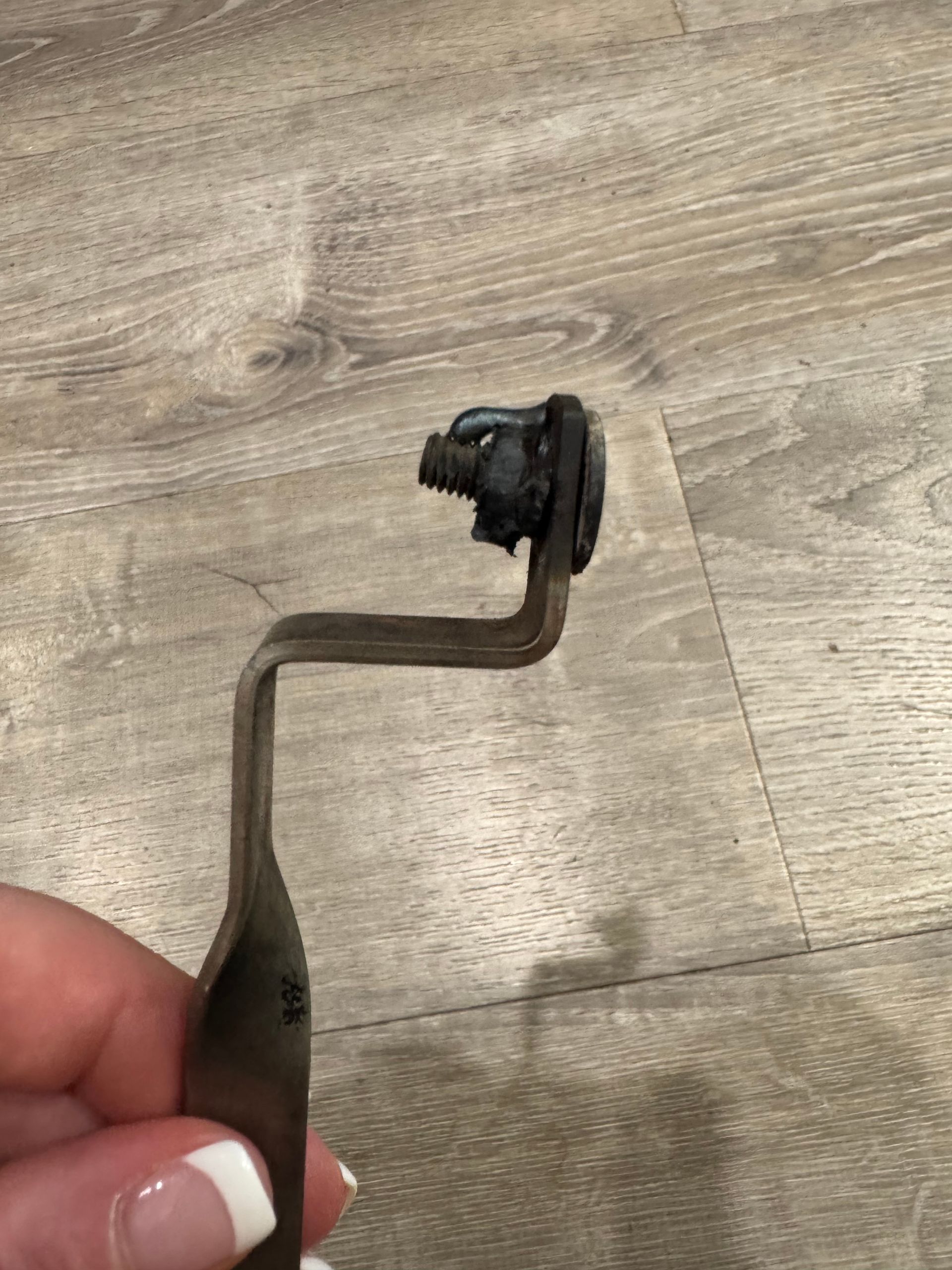
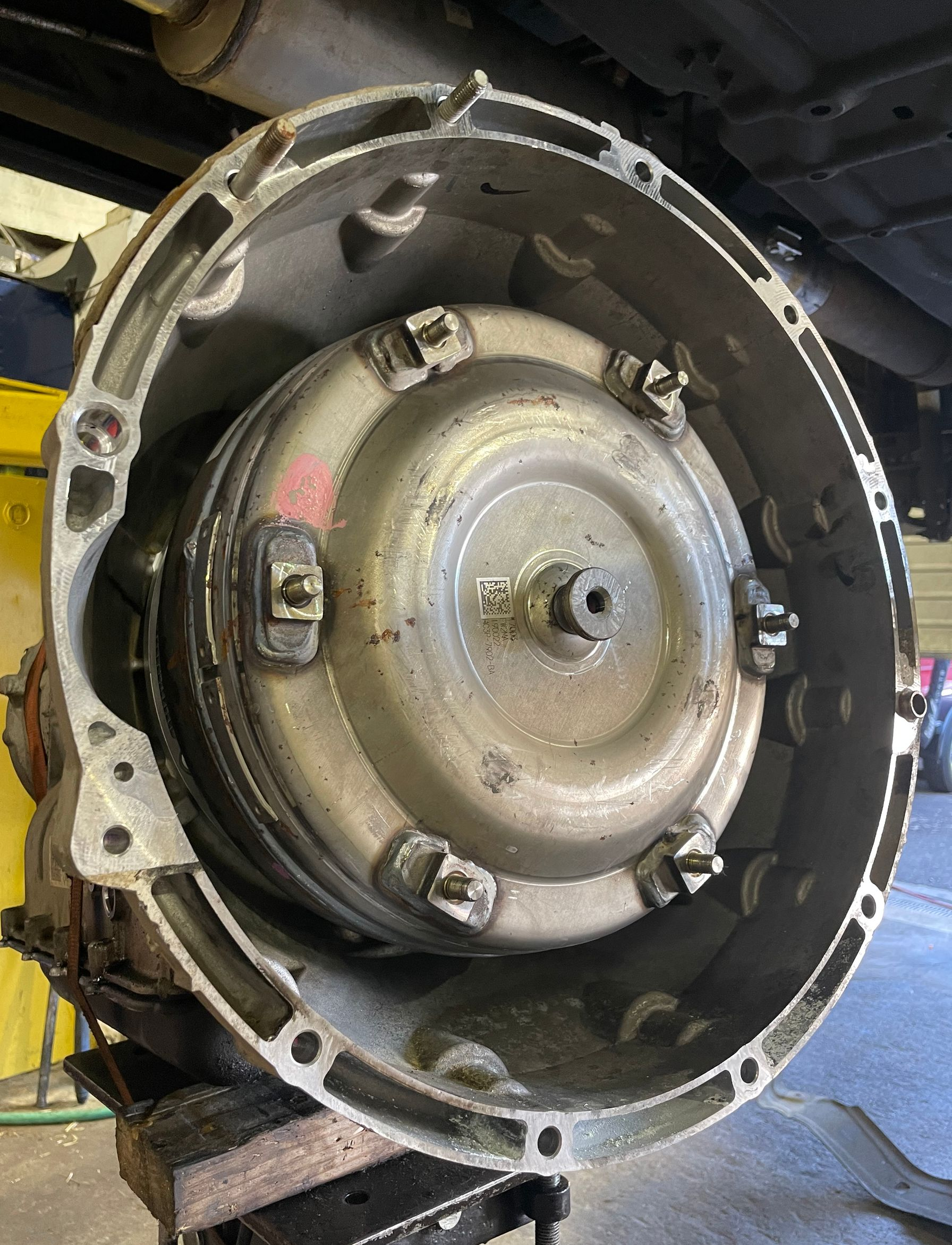
This damage is preventable.
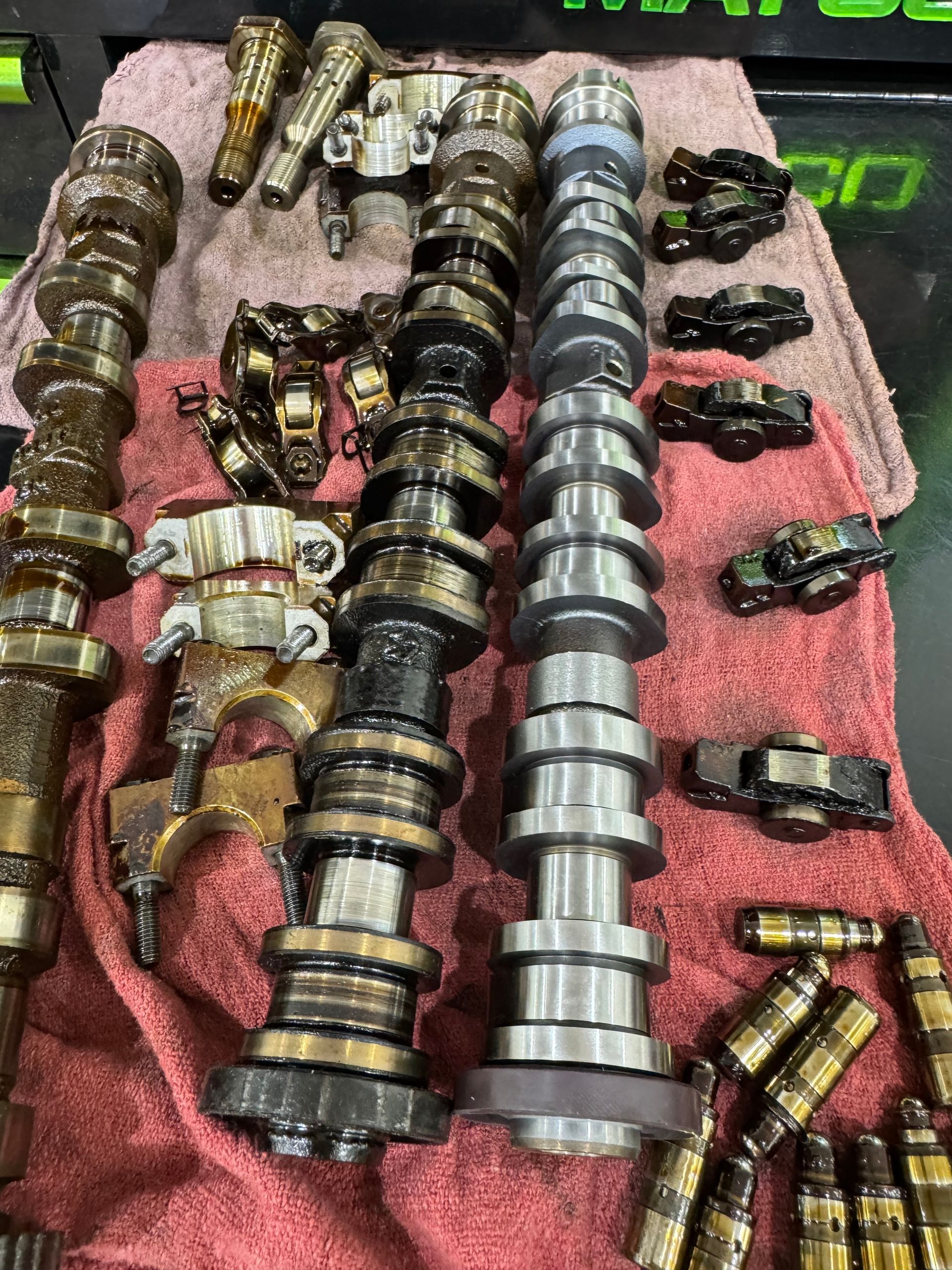
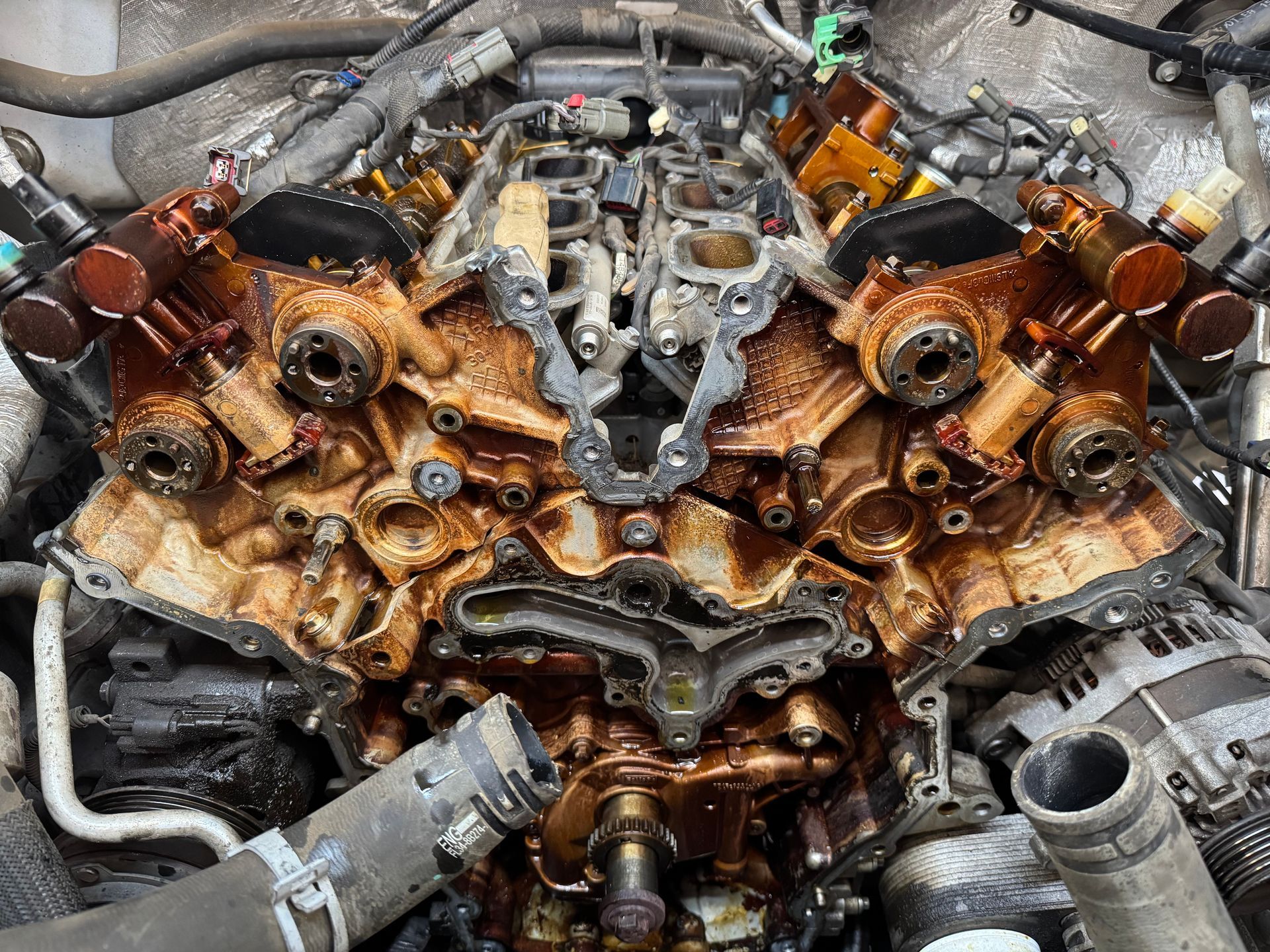
Your engine oil does much more than simply “keep the engine running.” It protects some of the most important—and expensive—parts inside your engine. The photo above is a great example. The worn camshaft next to the replacement shows what can happen when critical engine components no longer receive the lubrication and protection they need.
The camshaft is an important part of your engine’s valvetrain. As the engine runs, the camshaft rotates and controls when the intake and exhaust valves open and close. The raised areas on the camshaft are called cam lobes. These lobes work with components such as lifters, followers, rocker arms, or other valvetrain parts depending on the engine design. These components operate under significant pressure and move thousands of times every minute. They depend heavily on a steady supply of clean engine oil.
Engine oil creates a protective film between moving metal surfaces. This lubrication helps keep the camshaft and its related components from grinding directly against each other. Oil also helps - Reduce friction and heat, carry contaminants toward the oil filter, protect against corrosion, lubricate bearings, lifters, camshaft lobes, timing components, and other internal engine parts, and help hydraulic lifters and variable valve timing systems operate properly. When the oil is clean, at the proper level it can do its job effectively. When maintenance is neglected, that protection begins to break down.
Engine oil does not last forever. As mileage and operating time increase, oil is exposed to heat, combustion byproducts, moisture, fuel contamination, soot, and other contaminants. Eventually, the oil's additives become depleted and it becomes less effective at protecting the engine. Going too long between oil changes can contribute to several problems. Oil can become contaminated or form deposits. Sludge and varnish can restrict small oil passages and prevent enough oil from reaching the camshaft, lifters, and other valvetrain components. Lubrication can become less effective. When the protective oil film breaks down, friction between metal components increases. Heat increases. Friction creates heat, which can accelerate wear even further. Camshaft lobes and related components can wear. Once the hardened surface of a camshaft lobe begins to wear, damage can progress quickly. Lifters, followers, or rocker arms may also be damaged. What started as delayed maintenance can eventually turn into an extensive engine repair. Oil-change intervals are only part of the equation. An engine that is several quarts low on oil may not be able to maintain proper lubrication throughout the engine. Low oil pressure or restricted oil flow can leave critical components without enough protection. That is why checking your oil level between services is important, especially if your vehicle uses oil between changes. Leaks, internal oil consumption, or other engine problems can cause the oil level to drop even when the vehicle is not yet due for an oil change.
It is easy to look at an oil change as just another maintenance expense. In reality, it is one of the most important things you can do to protect your engine. Replacing a camshaft can involve much more than simply installing one new part. Depending on the engine and the extent of the damage, repairs may involve lifters, followers, rocker arms, bearings, timing components, gaskets, seals, or other internal engine components. There may also be metal debris circulating through the lubrication system that must be addressed.
That can turn a missed maintenance item into a significant repair bill. There is no single oil-change interval that is right for every vehicle.
The correct interval depends on the manufacturer's recommendations, the type of oil required, engine design, mileage, and how the vehicle is used. Vehicles that experience frequent short trips, extended idling, towing, heavy loads, dusty conditions, or other severe operating conditions may require more frequent maintenance.
The most important thing is to follow the appropriate maintenance schedule for your vehicle rather than simply waiting until the oil looks dirty or a problem develops. We cannot prevent every mechanical failure, but good maintenance gives your vehicle the best chance of lasting longer and avoiding preventable repairs. Regular oil changes allow us to do more than replace the oil and filter. They also give us an opportunity to look for leaks, abnormal fluid levels, unusual noises, and other developing concerns before they leave you stranded.
Give us a call and let us take care of you. 541-791-2886
Happy Adventures,
Heather
Our specials can be found here
Got Questions? We have a FAQ page for you.
Would you like to join our merry band of misfits?
Want to know more…
https://www.facebook.com/JHAutomotiveInc