How often should our vehicles be serviced?
How Often Should Fleet Vehicles Be Serviced?
If you manage a fleet, one of the most important questions you can ask is also one of the hardest to answer with a single number: How often should our vehicles be serviced? The answer depends on how those vehicles are actually being used.
A delivery van that spends all day making short trips has very different maintenance needs than a pickup traveling mostly highway miles. A work truck that idles for hours, hauls equipment, or tows regularly may also need more frequent attention than the mileage on the odometer suggests. That is why a good fleet maintenance plan should be based on more than mileage alone.
Every vehicle has a recommended maintenance schedule from the manufacturer.
That is the starting point. Depending on the vehicle, the schedule may include service intervals for things such as:
- Engine oil and filters
- Fuel filters
- Transmission fluid
- Coolant
- Brake fluid
- Differential fluid
- Transfer case fluid
- Spark plugs
- Belts and hoses
- Air filters
- Cabin air filters
- Brake inspections
- Tire rotations and inspections
Many manufacturers also provide different recommendations for vehicles operating under severe conditions. For fleet vehicles, that distinction matters.
"Severe service" does not necessarily mean the vehicle is being abused. It can simply mean the vehicle works harder than the average passenger car. Fleet vehicles may regularly experience:
- Frequent stop-and-go driving
- Short trips
- Long periods of idling
- Towing
- Heavy loads
- Dusty conditions
- Repeated cold starts
- Extended driving hours
- Frequent mountain or rural driving
Those conditions can put additional stress on fluids, brakes, tires, batteries, cooling systems, and other components.
Imagine two work trucks that both have 50,000 miles. One spends most of its time driving on the highway. The other spends its days traveling short distances between job sites and idling while crews work nearby. Those trucks have the same mileage, but they have not experienced the same amount of wear. Engine hours can be particularly important for vehicles that idle frequently. The odometer does not move while a vehicle is sitting still, but the engine, cooling system, charging system, air conditioning, and other components may still be operating. That is why some fleets track both mileage and engine hours.
Maintenance should not only happen when an oil change is due. Routine inspections can help identify developing problems before they cause downtime. Depending on the vehicle and how it is used, inspections may include checking:
- Tires and tire pressure
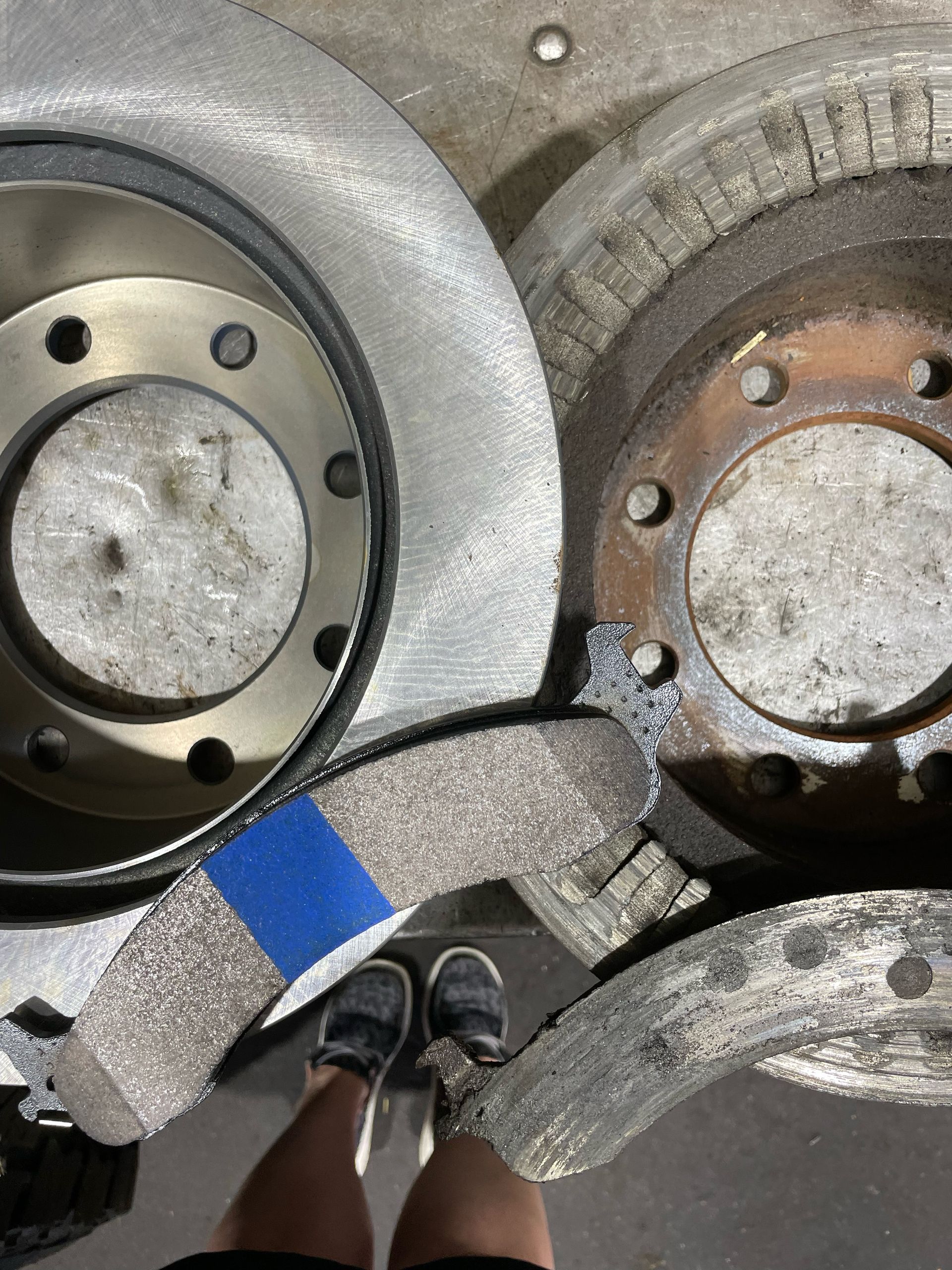
- Brake condition
- Fluid levels and leaks
- Suspension and steering components
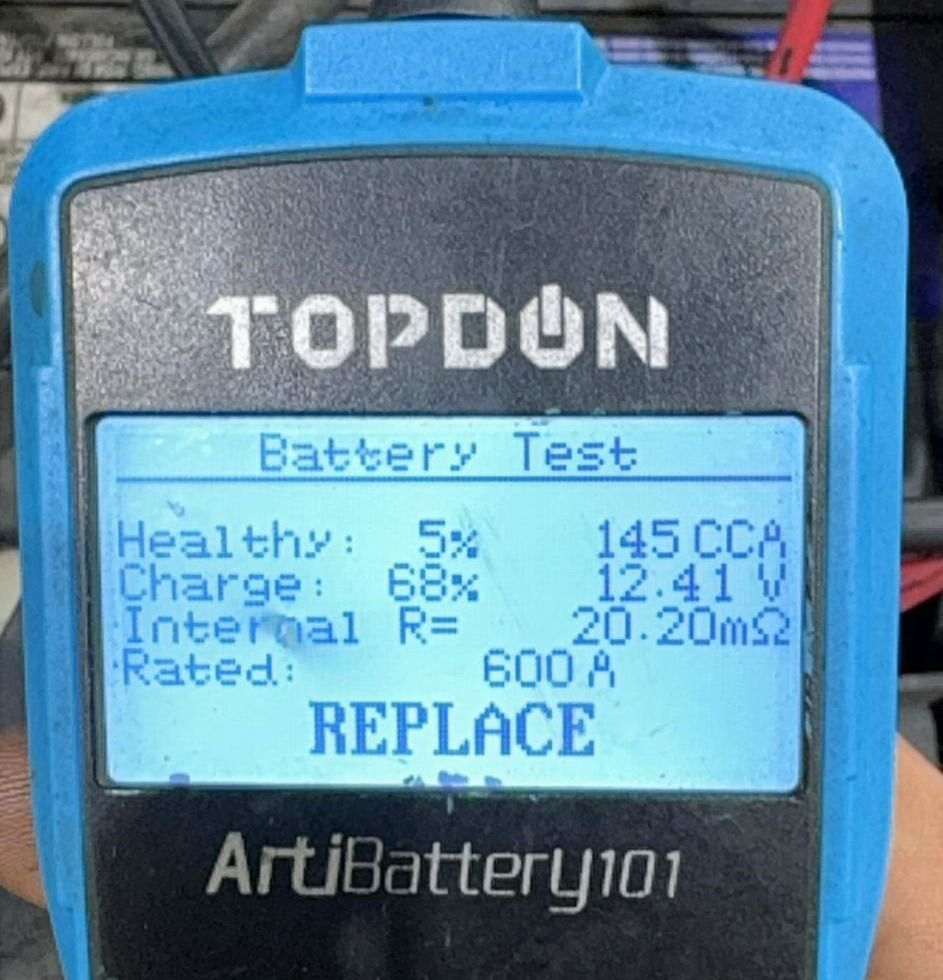
- Batteries and charging systems
- Belts and hoses
- Exterior lighting
- Wipers and washers
- Cooling-system condition
- Warning lights
- Visible damage
Finding a small coolant leak, worn tire, weak battery, or brake problem during a scheduled inspection is usually much easier to manage than dealing with a breakdown during the workday.
Even if several vehicles in your fleet are the same make and model, they may not need identical maintenance schedules.
One truck might tow every day while another is used primarily for estimates and errands. One van may travel hundreds of highway miles each week while another makes dozens of short stops around town. Maintenance should take the vehicle's actual workload into account. That is why fleet maintenance works best when each vehicle has its own service history.
Good records make fleet maintenance much easier. Tracking services and repairs can help you see:
- When maintenance is due
- Which vehicles are developing repeat problems
- How much each vehicle costs to maintain
- Whether certain repairs are becoming more frequent
- When a vehicle may be approaching the end of its useful life
Maintenance records are also helpful when multiple drivers use the same vehicle. Instead of relying on someone to remember when something was last serviced, you have a clear history to work from.
For most businesses, a broken vehicle costs more than the repair itself. It can also mean:
- Missed appointments
- Delayed deliveries
- Employees who cannot do their jobs
- Rescheduled work
- Rental expenses
- Towing
- Unhappy customers
Preventive maintenance cannot eliminate every breakdown, but it can reduce the chances of being surprised by problems that could have been caught earlier. The goal is not to service vehicles more often than necessary. The goal is to service them at the right time.
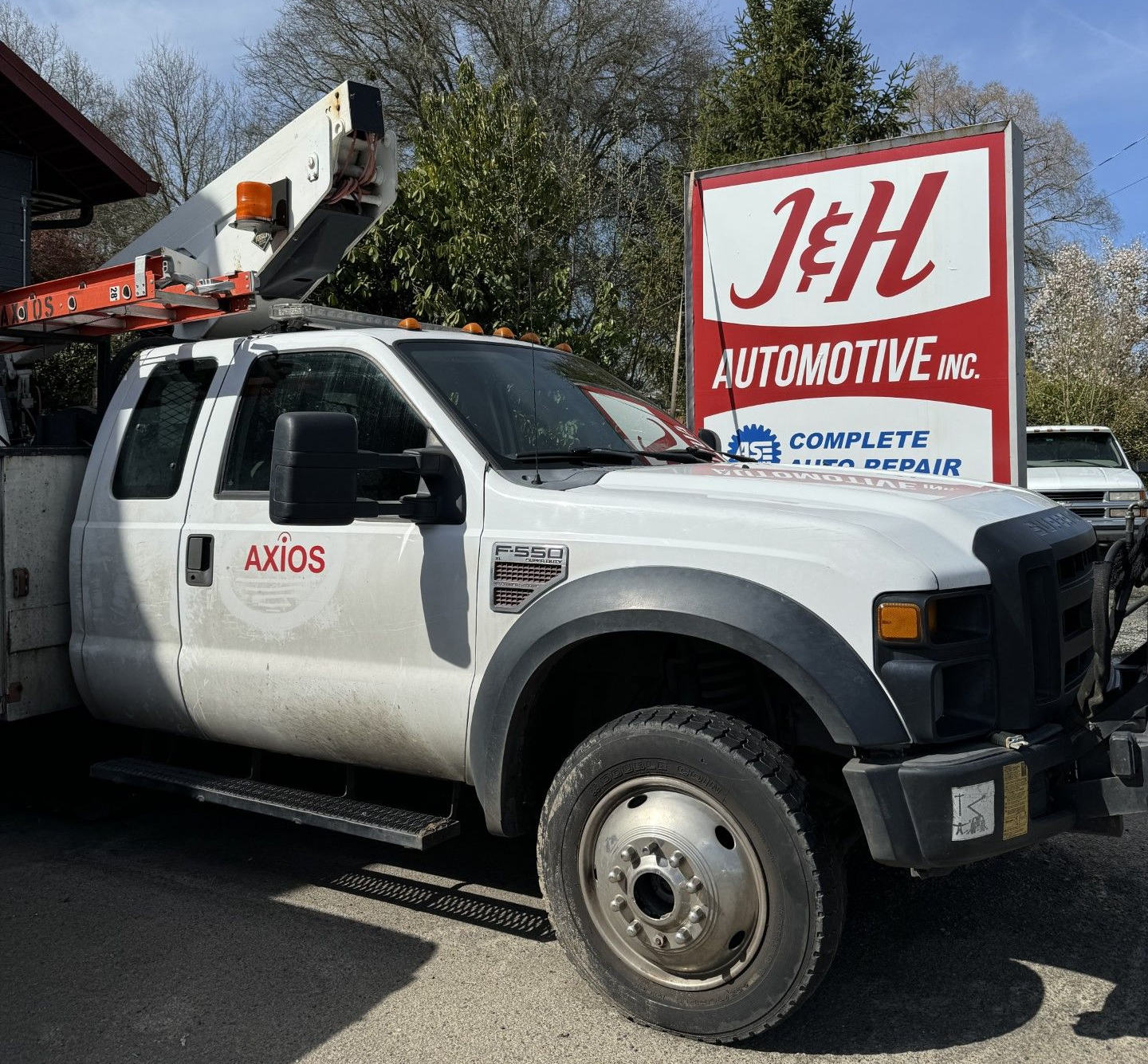
We can create a maintenance plan that makes sense for your business. At J & H Automotive, we work with businesses to help keep fleet vehicles maintained, reliable, and ready for the workday. Whether your fleet includes cars, pickups, vans, diesel trucks, or medium-duty vehicles, the goal is the same: take care of small problems before they become expensive interruptions. Because when your vehicles are working, your business can keep moving.
Give us a call and let us take care of you. 541-791-2886
Happy Adventures,
Heather
Our specials can be found here
Got Questions? We have a FAQ page for you.
Would you like to join our merry band of misfits?
Want to know more…
https://www.facebook.com/JHAutomotiveInc
https://www.pinterest.com/jhautoinc