Feeling sluggish?
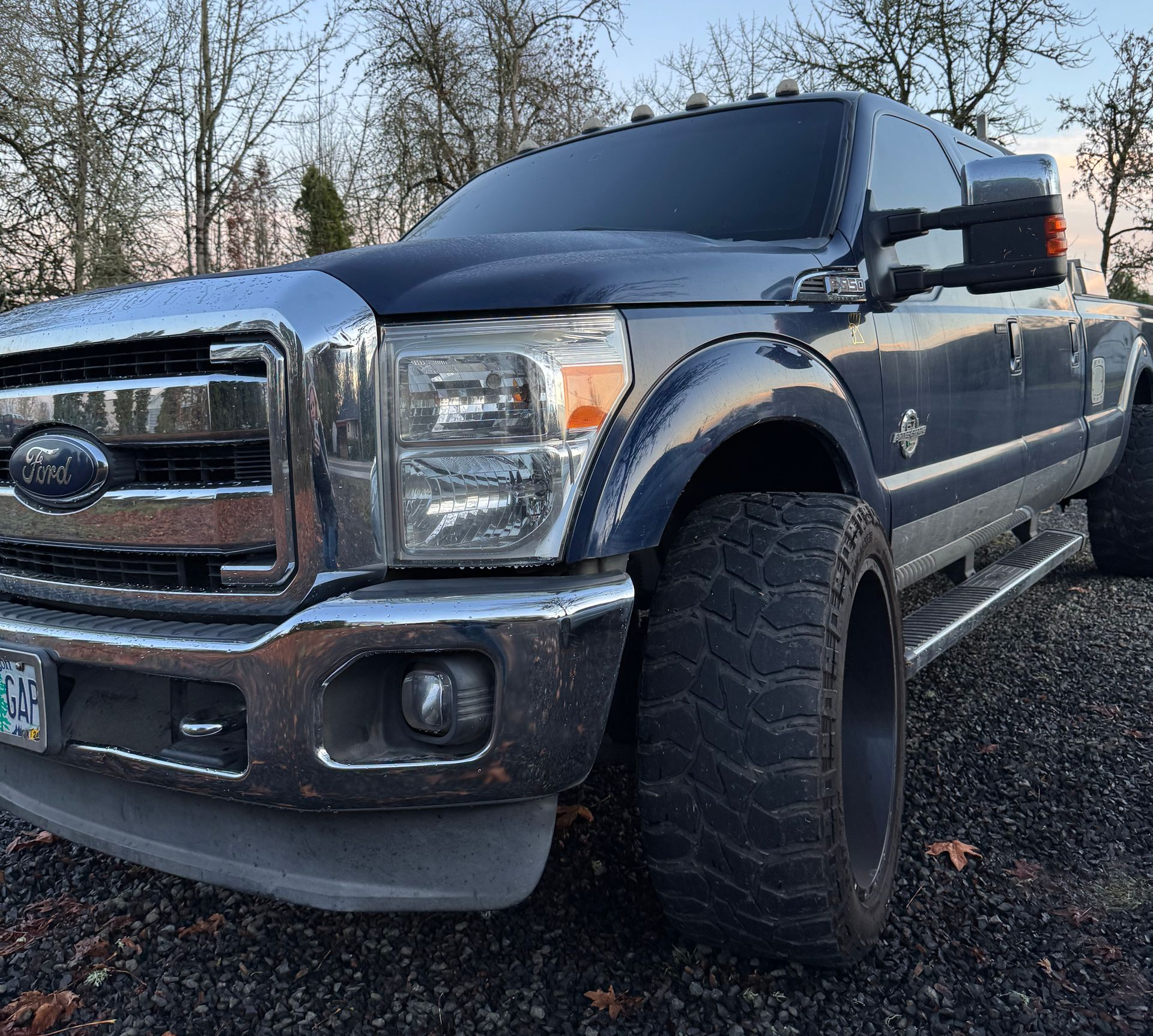
Your diesel truck may seem to run perfectly fine around town, but then something changes when you accelerate hard, climb a hill, or hook up a trailer. Suddenly it feels sluggish. Maybe it takes longer to get up to speed. Maybe it will not maintain speed while towing. You might notice smoke, a warning light, poor throttle response, or even reduced-power mode. Power loss under load is a common diesel complaint, but there is not one single cause. Modern diesel engines depend on several systems working together, so diagnosing the problem correctly is important.
A diesel engine needs the correct amount of fuel delivered at the right pressure. When the engine is working harder, such as during towing or acceleration, fuel demand increases. A restriction or pressure problem may not be obvious during light driving but can become noticeable when you ask the engine to produce more power. Possible problems can include:
- Restricted fuel filters
- Weak fuel supply
- Fuel pressure problems
- Injector issues
- Contaminated fuel
- Fuel-system leaks
Rather than assuming the injectors or fuel pump are bad, the entire fuel system should be tested.
Turbochargers are a major part of how modern diesel engines produce power. When you accelerate or tow, the turbocharger helps supply the engine with additional air. If the engine cannot build or control boost correctly, you may experience significant power loss. Possible causes can include:
- Cracked or loose charge-air hoses
- Intercooler leaks
- Turbocharger problems
- Boost-control issues
- Sensor problems
- Exhaust leaks
Sometimes the problem is surprisingly small, such as a damaged hose or loose connection. Other times more detailed testing is needed.
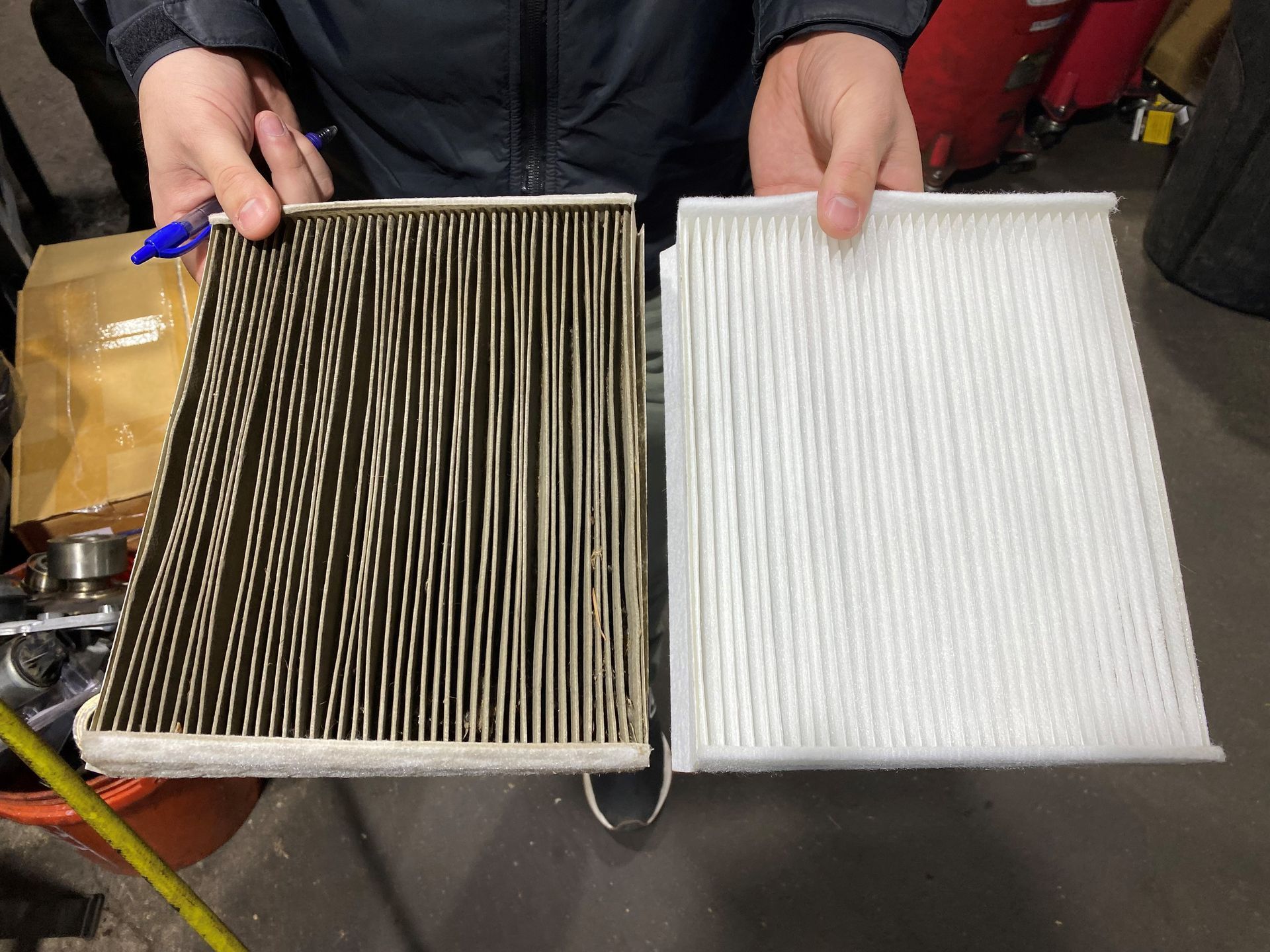
Your diesel engine needs air just as much as it needs fuel. A dirty air filter or restriction in the intake system can limit how much air reaches the engine. The truck may seem fine during easy driving but struggle when the engine needs more airflow. Airflow sensors can also affect engine performance if they are providing incorrect information to the engine computer.
Modern diesel trucks use complex emissions systems. Components such as the diesel particulate filter, EGR system, sensors, and exhaust aftertreatment system all affect how the engine operates. If exhaust flow becomes restricted or the computer detects certain emissions-system problems, the vehicle may reduce engine power to protect the system. You may notice:
- Reduced power
- Poor acceleration
- Frequent regeneration
- Warning messages
- Check-engine lights
- Limp or reduced-power mode
Cleaning or replacing a component is not always the complete answer. The important question is why the problem occurred in the first place.
The diesel particulate filter, commonly called the DPF, captures soot from the exhaust. The truck periodically burns away much of that soot through a process called regeneration. If regeneration cannot occur properly, soot can continue building until exhaust flow becomes restricted. Short trips, excessive idling, engine problems, sensor faults, or other issues can contribute to DPF problems. A restricted DPF may cause noticeable power loss, especially when the truck is working hard.
Modern diesel engines rely on many sensors to determine how much fuel and air the engine needs. A sensor that is failing or reporting inaccurate information may cause poor performance even if the mechanical components are still working. This is why simply reading a trouble code and replacing the part named in the code can lead to unnecessary repairs. A diagnostic trouble code tells us which system the computer is concerned about. Testing tells us why.
Sometimes what feels like an engine problem is actually related to the transmission. If the transmission is slipping, not shifting correctly, or having trouble managing the additional load of towing, the truck may feel like it has lost engine power. Good diagnostics look at the whole vehicle rather than assuming every diesel performance problem starts inside the engine.
A diesel truck that suddenly cannot accelerate or tow the way it used to is telling you something has changed. Continuing to push the truck under heavy load can sometimes make an existing problem worse. The best next step is proper diagnosis. That may include checking:
- Diagnostic trouble codes
- Fuel pressure
- Fuel filters
- Turbocharger boost
- Charge-air leaks
- Airflow readings
- Exhaust restriction
- DPF condition
- Emissions-system operation
- Transmission data
Diesel systems are too complex to diagnose accurately by guessing.
At J & H Automotive, we work on diesel pickups, medium-duty vehicles, and fleet vehicles. Our goal is to find the cause of the problem so you can make an informed decision about your truck.
Give us a call and let us take care of you. 541-791-2886
Happy Adventures,
Heather
Our specials can be found here
Got Questions? We have a FAQ page for you.
Would you like to join our merry band of misfits?
Want to know more…
https://www.facebook.com/JHAutomotiveInc
https://www.pinterest.com/jhautoinc