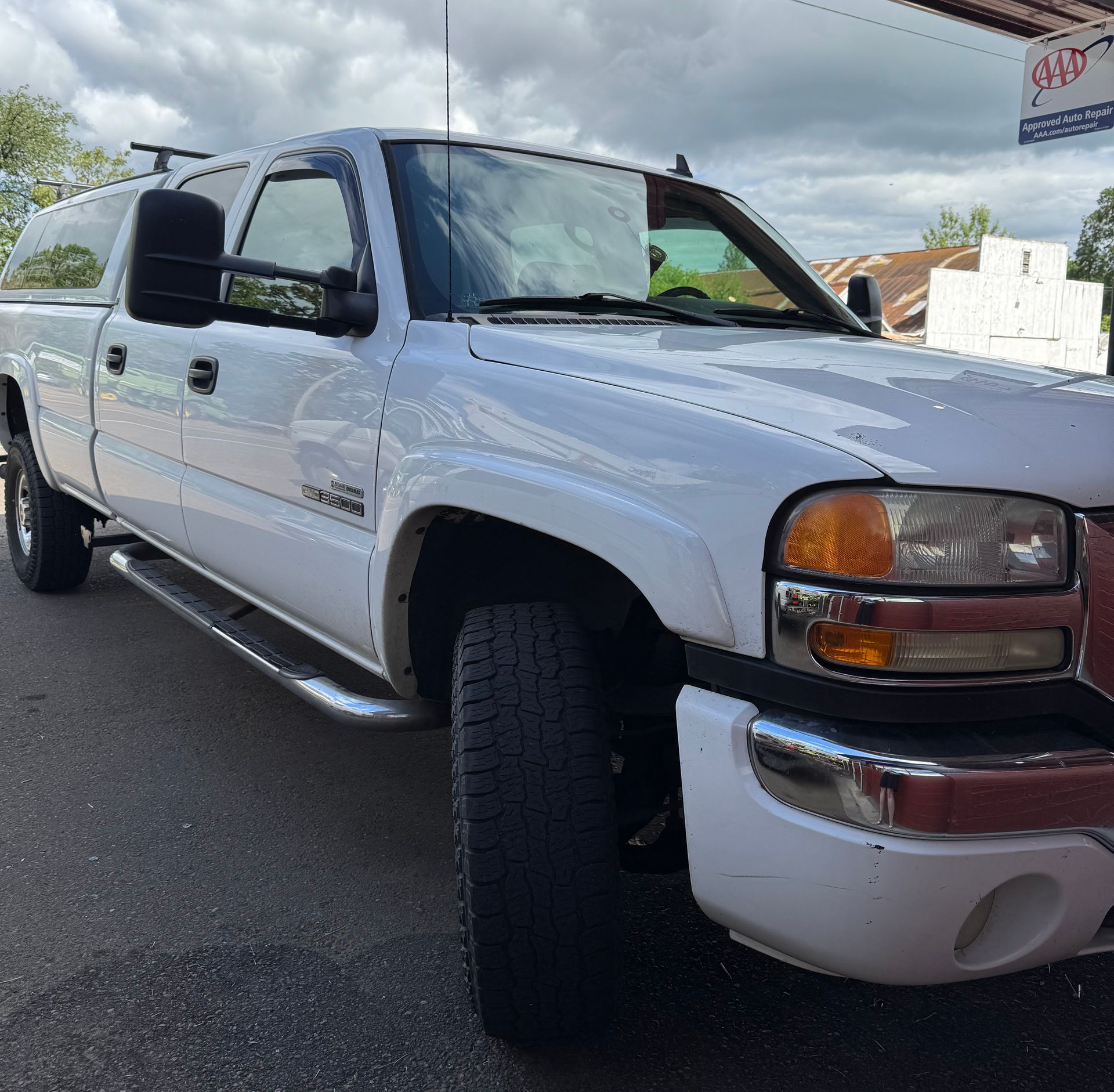
How do diesel fuel injectors work
Diesel fuel injectors operate under high pressure. They inject fuel into the combustion chamber at precise moments, creating a fine mist that mixes with air. This mixture ignites when compressed by the piston, producing power.
Types of Diesel Fuel Injectors
There are several types of diesel fuel injectors, each with its own characteristics:
- Common Rail Injectors: These injectors use a high-pressure common rail system to deliver fuel to the injectors. They offer precise control over fuel injection timing and quantity.
- Unit Injector: This type combines the injector and fuel pump into a single unit, simplifying the fuel delivery system.
- Pumpe Düse (PD): PD injectors incorporate a pump and injector in a single unit, providing high injection pressure and precise control.
Common Diesel Fuel Injector Problems
Diesel fuel injectors can experience various issues, including:
- Clogging: Contaminants in the fuel can clog the injector nozzles, leading to reduced fuel flow and power loss.
- Wear and Tear: Over time, the injector components can wear out, affecting their performance and lifespan.
- Sticking: The injector needle may become stuck, preventing proper fuel injection.
- Leakage: Leaks can occur at the injector seals or connections, leading to fuel loss and reduced engine efficiency.
Signs of a Bad Diesel Fuel Injector
Several symptoms can indicate a problem with your diesel fuel injectors:
- Reduced engine power: If your engine feels sluggish or lacks power, it could be a sign of clogged or faulty injectors.
- Rough idle: A rough idle can be caused by inconsistent fuel injection.
- Increased fuel consumption: Faulty injectors can lead to inefficient fuel use.
- Check engine light: A check engine light often illuminates when there's an issue with the fuel injection system.
- Smoke: Excessive smoke from the exhaust can be a sign of injector problems.
Maintaining Diesel Fuel Injectors
To ensure the longevity and performance of your diesel fuel injectors:
- Use high-quality diesel fuel: Avoid using low-quality or contaminated fuel, as it can harm the injectors.
- Regular maintenance: Follow the recommended maintenance schedule for your vehicle, including fuel filter replacements and injector cleaning.
- Avoid excessive idling: Prolonged idling can contribute to injector wear and tear.
- Consider professional cleaning: If you suspect injector issues, consider having them professionally cleaned or replaced.
By understanding the importance of diesel fuel injectors and taking proper care of them, you can help maintain your vehicle's performance, fuel efficiency, and emissions. Give us a call and let us take care of you.
Happy Adventures,
Heather
Our specials can be found here - Specials - J & H Automotive, Inc
Ready to make an appointment … Appointments - J & H Automotive, Inc
Want to know more … About Us - J & H Automotive, Inc
Would you like to join our merry band of misfits? Careers - J & H Automotive, Inc
Want to know more…
https://www.facebook.com/JHAutomotiveInc