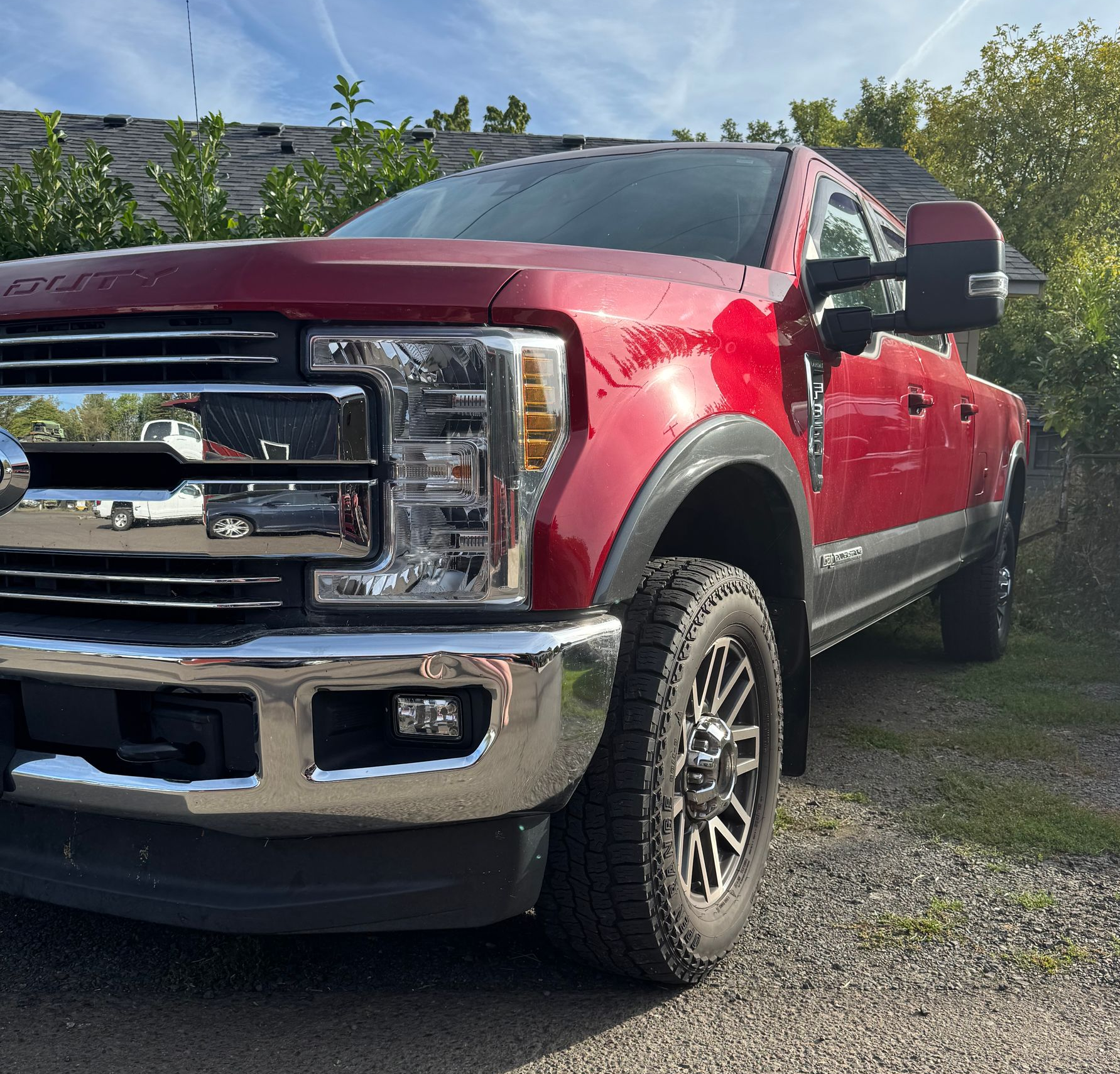
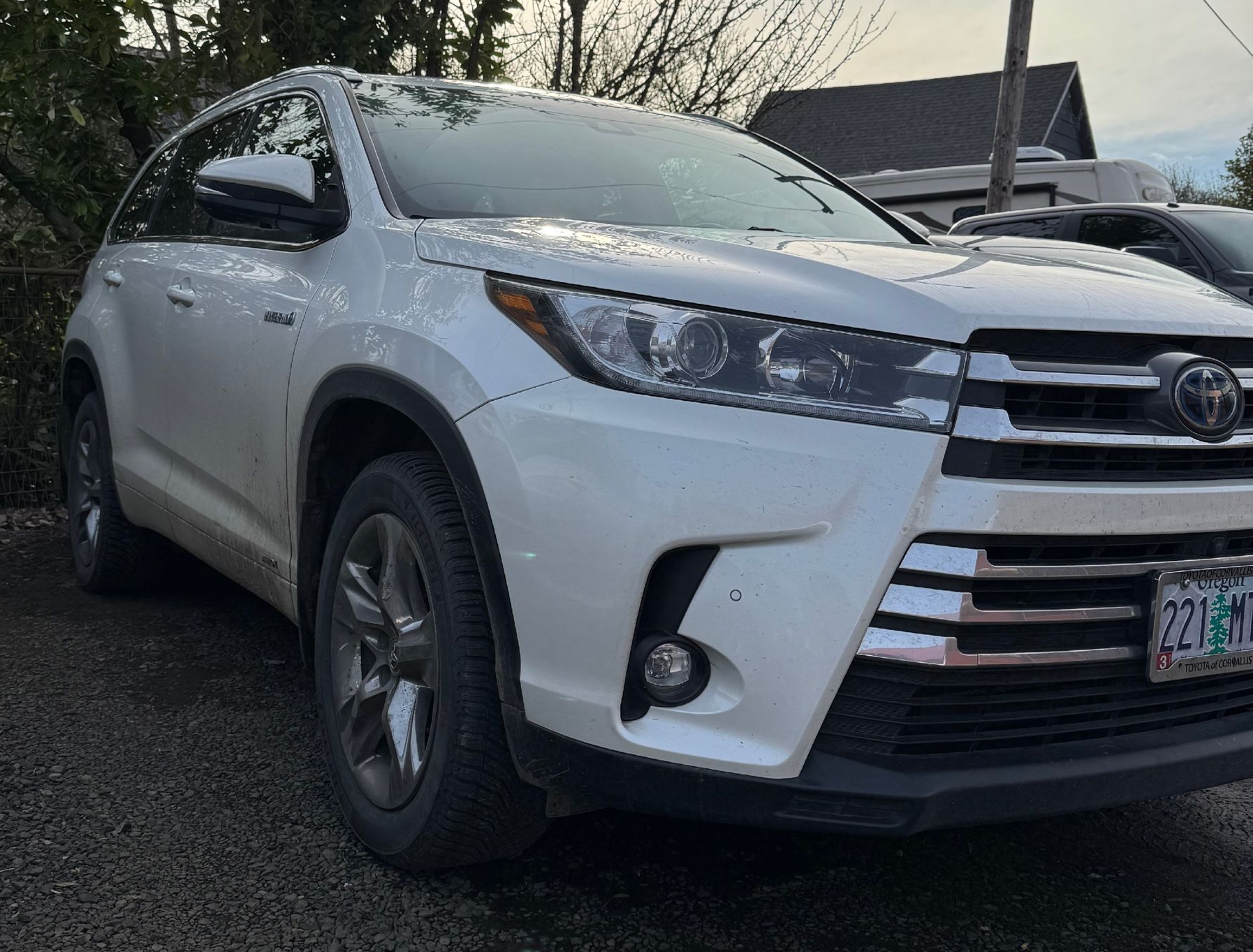
Why Old Brake Fluid Hurts Stopping Power
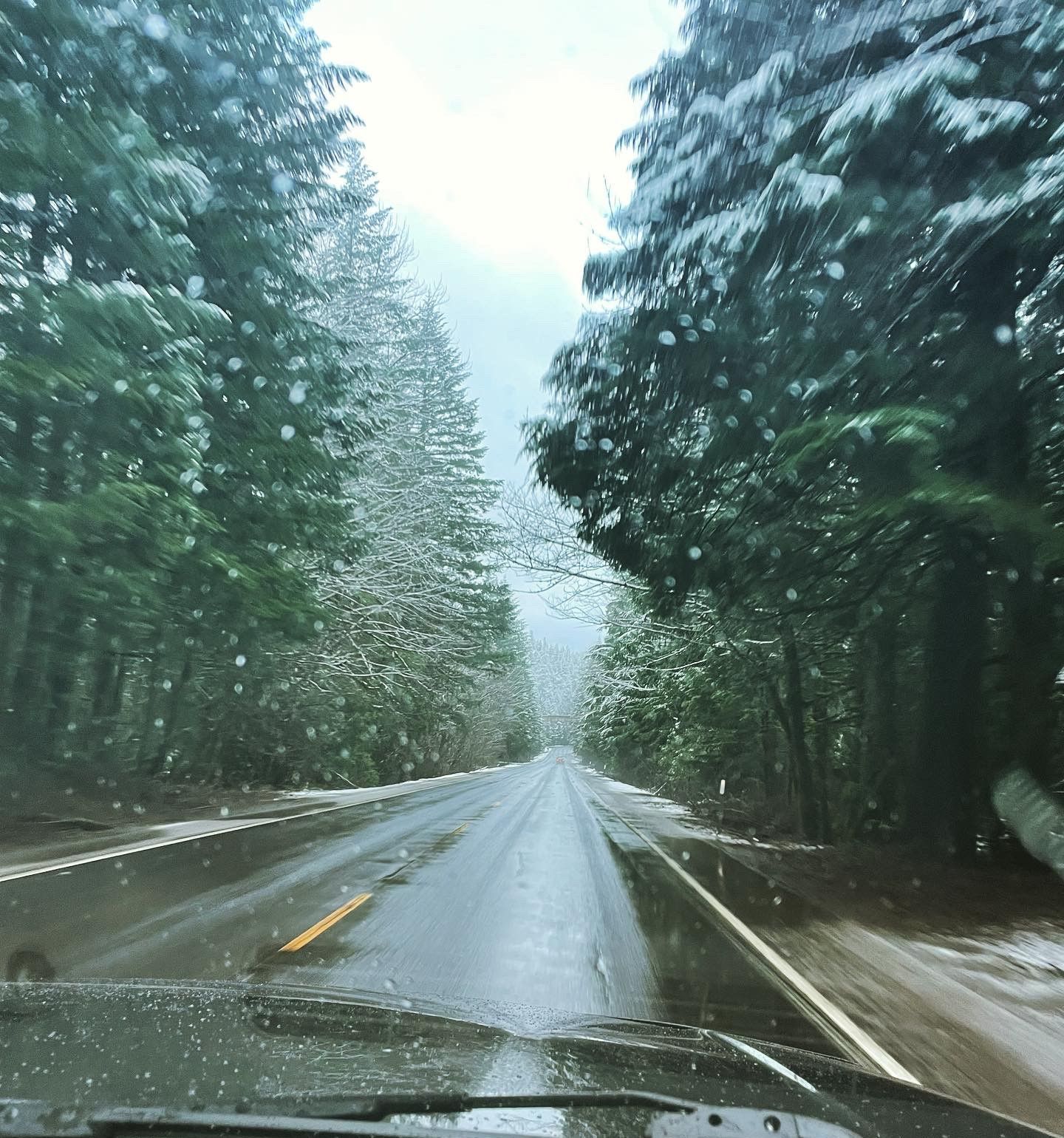
When you press your brake pedal on a wet highway, you expect an immediate, firm response. Most drivers think about brake pads and rotors when it comes to stopping power, but there is another critical component working behind the scenes every time you slow down: brake fluid.
Unlike engine oil or transmission fluid, brake fluid has a hidden enemy—moisture. Over time, water contamination quietly weakens your braking system from the inside out.
Why Does Brake Fluid Absorb Water? Most vehicles use glycol-ether based brake fluids (such as DOT 3, DOT 4, or DOT 5.1). These fluids are hygroscopic, which means they naturally absorb moisture directly from the air. Even though your brake system is sealed, microscopic amounts of humidity seep in through rubber brake hoses, master cylinder seals, and every time the reservoir cap is opened. Over a year, that absorbed moisture adds up—and it causes two serious problems:
The first being a lower boiling point. A multi-ton vehicle creates immense friction and heat at the wheels. Fresh brake fluid resists boiling under extreme temperatures. However, water boils at just 212°F. When moisture-contaminated brake fluid gets hot during heavy braking or descending steep grades, the water turns into compressible steam bubbles. Instead of pushing your brake pads against the rotors, your pedal pushes against air pockets—resulting in a soft, spongy pedal or sudden loss of braking power.
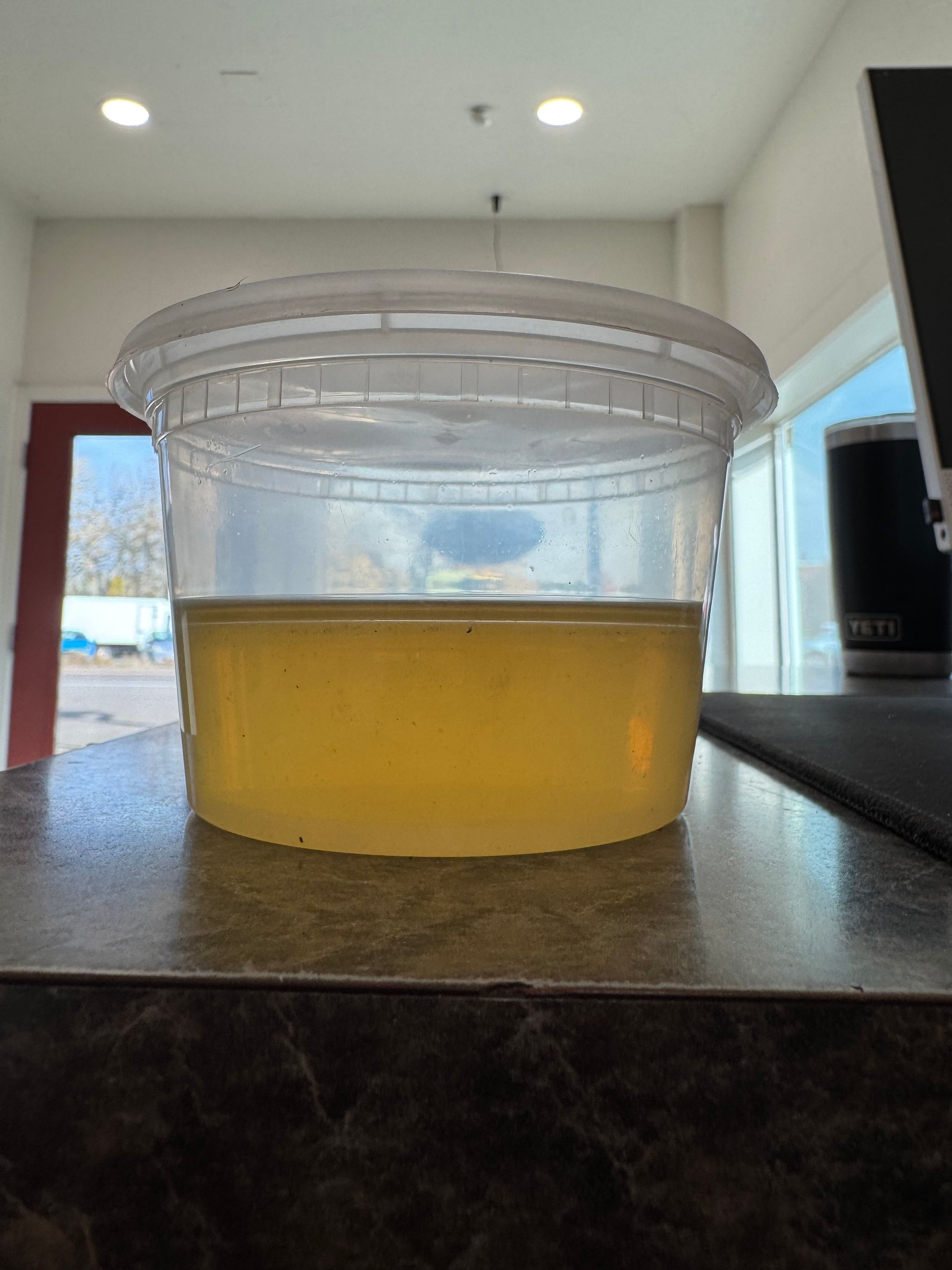
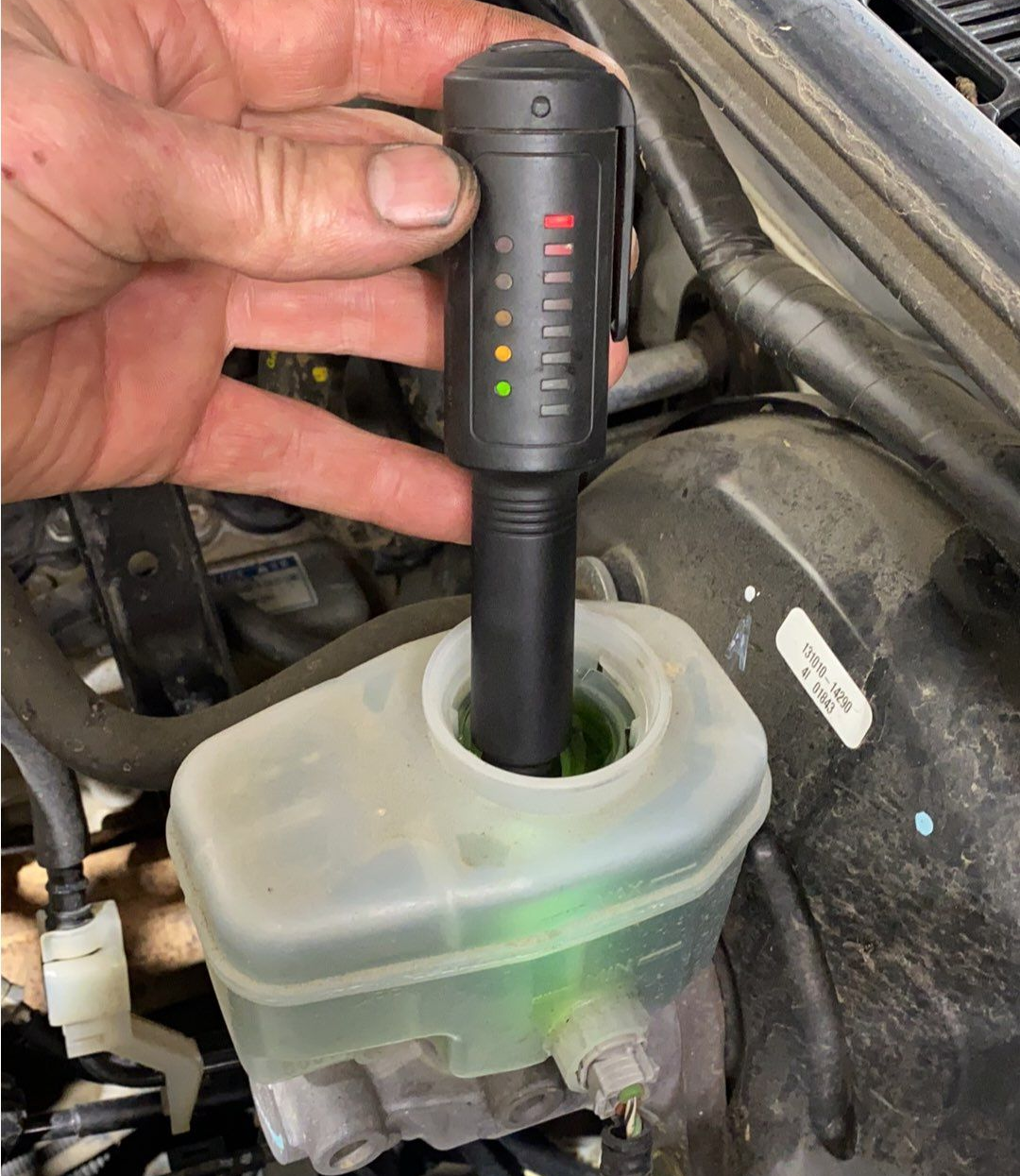
The other is internal rust and corrosion. Water circulating through your brake lines rusts steel lines, pits master cylinder walls, and corrodes expensive ABS modulator valves and brake calipers. Signs your brake fluid may need serviced are if your brake pedal feels soft, spongy, or travels farther toward the floor than usual. If your ABS warning light comes on intermittently. If the fluid in the reservoir looks green, dark brown, murky, or black instead of clear or light amber.It has been more than 2 to 3 years since your last brake fluid flush.
A professional brake fluid flush completely evacuates the old, moisture-laden fluid and replaces it with fresh fluid, restoring a firm pedal feel and protecting your entire hydraulic system.
Give us a call and let us take care of you.
Happy Adventures,
Heather
Our specials can be found here
Got Questions? We have a FAQ page for you.
Would you like to join our merry band of misfits?
Want to know more…
https://www.facebook.com/JHAutomotiveInc
https://www.pinterest.com/jhautoinc